
This special staging of the Passion of Christ takes place every ten years in the small village of Oberammergau, located in Bavaria. This tradition began with a beautiful act of faith, a promise made in 1633, and with the first performance in 1634, and continues today, with a lot of dedication from collaborators and artists. The curious thing is that, in fact, these are local residents, who spend years rehearsing and doing what is necessary to carry out the show. This includes growing your hair and beard!
During the Thirty Years’ War the village was devastated by bubonic plague. In this situation, residents made the following promise to God: If He protected them from the plague and death, they would stage a play to represent the suffering, death and resurrection of Jesus Christ. Reports say that after the pledge there were no more deaths caused by the plague in the village and residents who were sick during that period were healed.
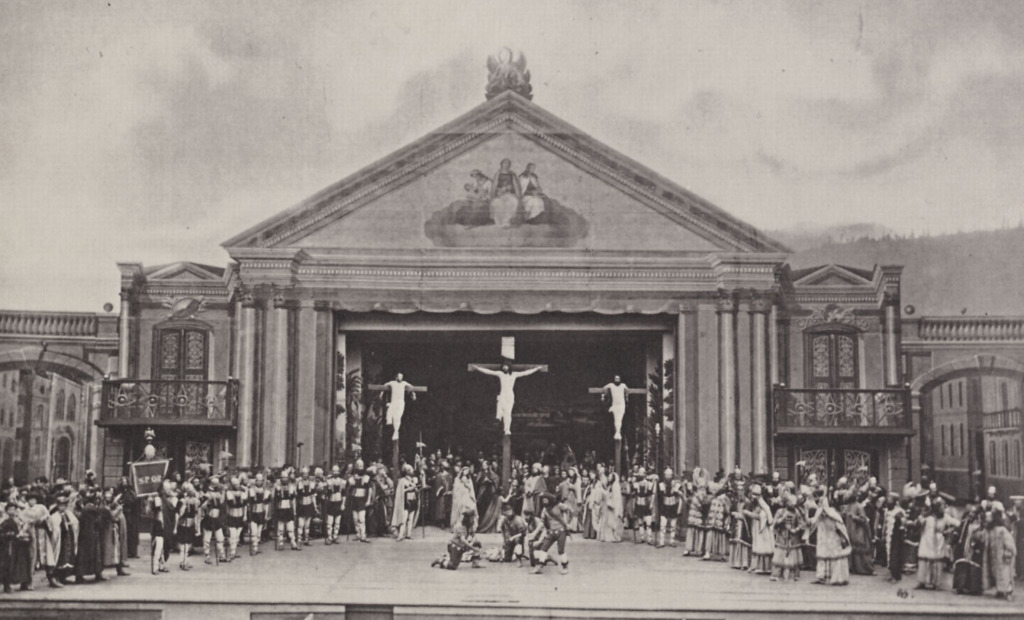
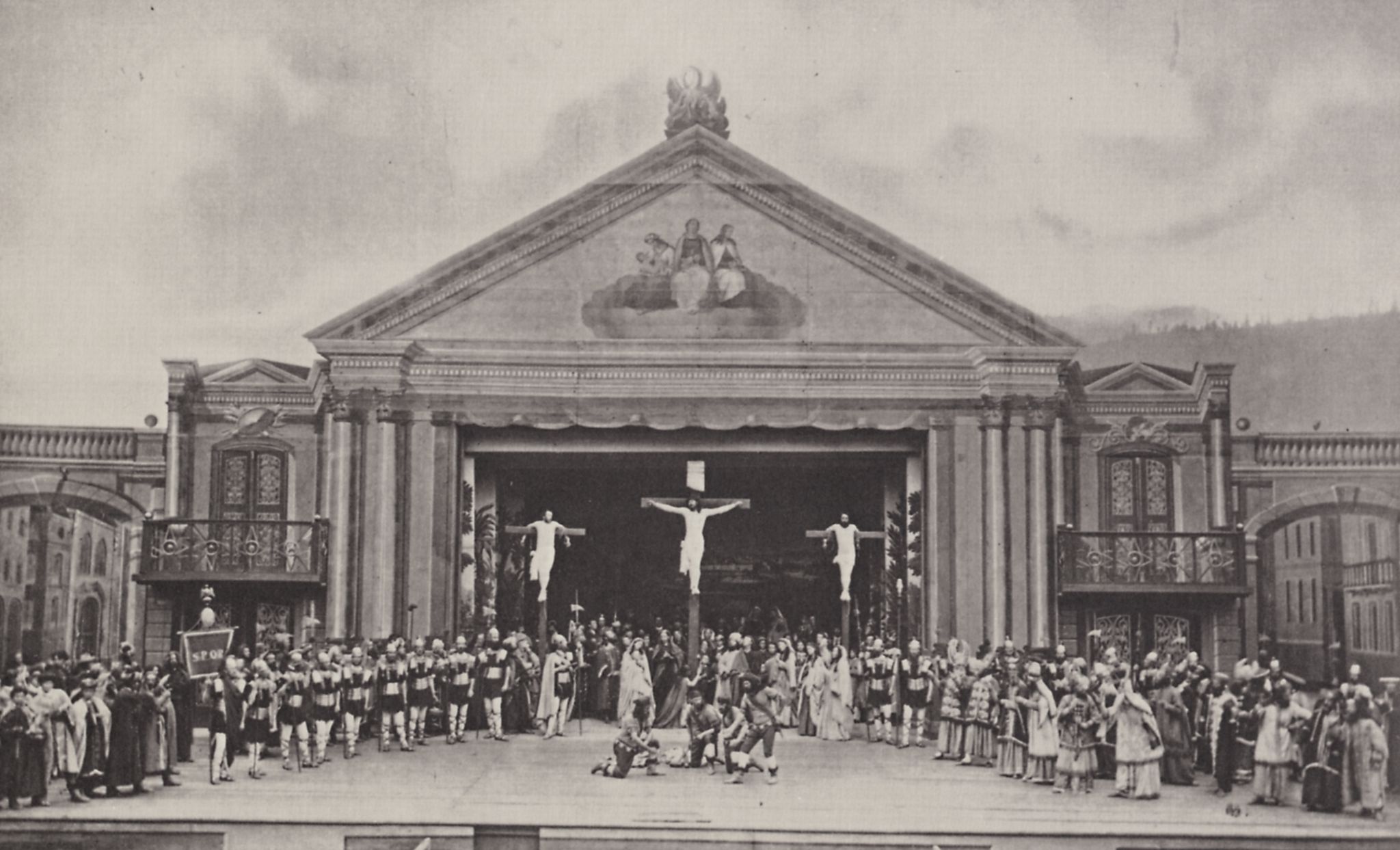
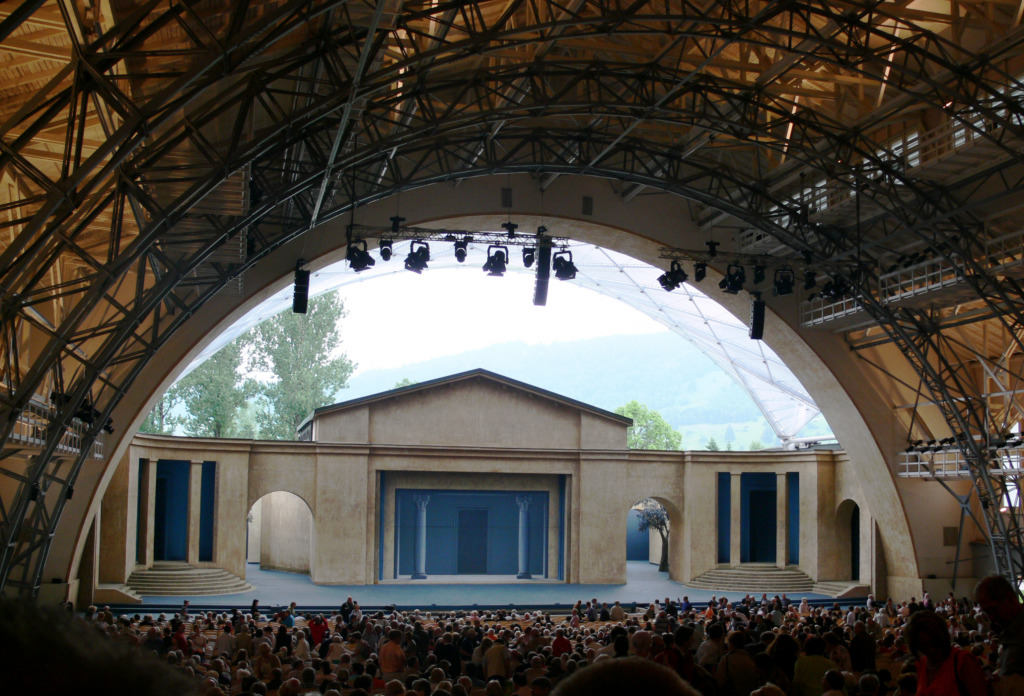
Since then, the residents of Oberammergau have been engaged in the realization of the Passion of Christ on a periodic basis, which has occurred every 10 years. In the city, there is a venue for the event, with capacity for approximately 5000 spectators. Despite the staging language being German, people from all over the world come to Oberammergau to watch the Passion of the Christ, which has already become a local tradition and cultural heritage. The Passion of Christ staging in Oberammergau (Passionsspiele) starts in May and runs through October, with performances 5 days a week. The play’s soundtrack was composed by Rochus Dedler and is conducted by an orchestra of 60 musicians and a choir. In this context, we can see that everything is done so that there is a faithful representation of the events recorded in the Bible.

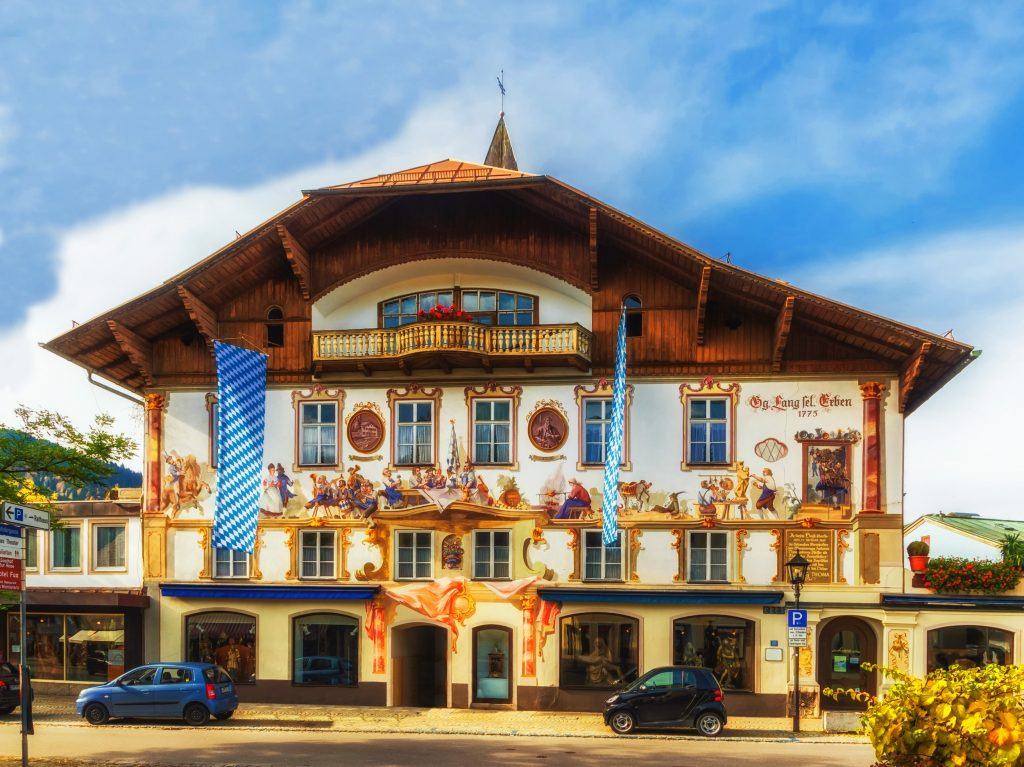
Travelers who go to Oberammergau, in the middle of the Alps in southern Germany, will be impressed only by the staging of the Passion of Christ (Passionspiel), as well as being enchanted by this small and beautiful city! The village of Oberammergau is known for the beautiful frescoes on the facades of the houses and for its wooden sculptures.
The 42nd season of the play would take place this year (2020), but unfortunately it was postponed to 2022 due to COVID-19, aiming not to endanger residents, artists, collaborators and visitors.