
Despite producing excellent wines, especially from the Riesling variety, Germany is still in the shadow of the theme when it comes to imported wines in Brazil. A pity, because despite their production of about 9 million hl a year *, the majority for national consumption, the refreshing German wines combine very well with the heat of the tropical lands.
And when we talk about German wines, many Brazilians still associate them with Liebfraumilch, more specifically those with the blue bottle, like Josef Friedrich. The wine entered the Brazilian market at affordable prices in the 70s and 80s and with its sweet taste, won fans (ok, maybe we have a controversy there lol).
But after all, what is this wine? Liebfrauenmilch (also called Liebfraumilch) is actually a type of wine, characteristic of lieblich (semi-sweet wine), but it is also a denomination of sweet white wines. Under the name Liebfrauenmilch, only a few varieties can be used, which, however, cannot be labeled. The varieties used must be Müller-Thurgau, Riesling, Silvaner, and Kerner, at least 70%, and the residual sugar must not be below 18g / l.

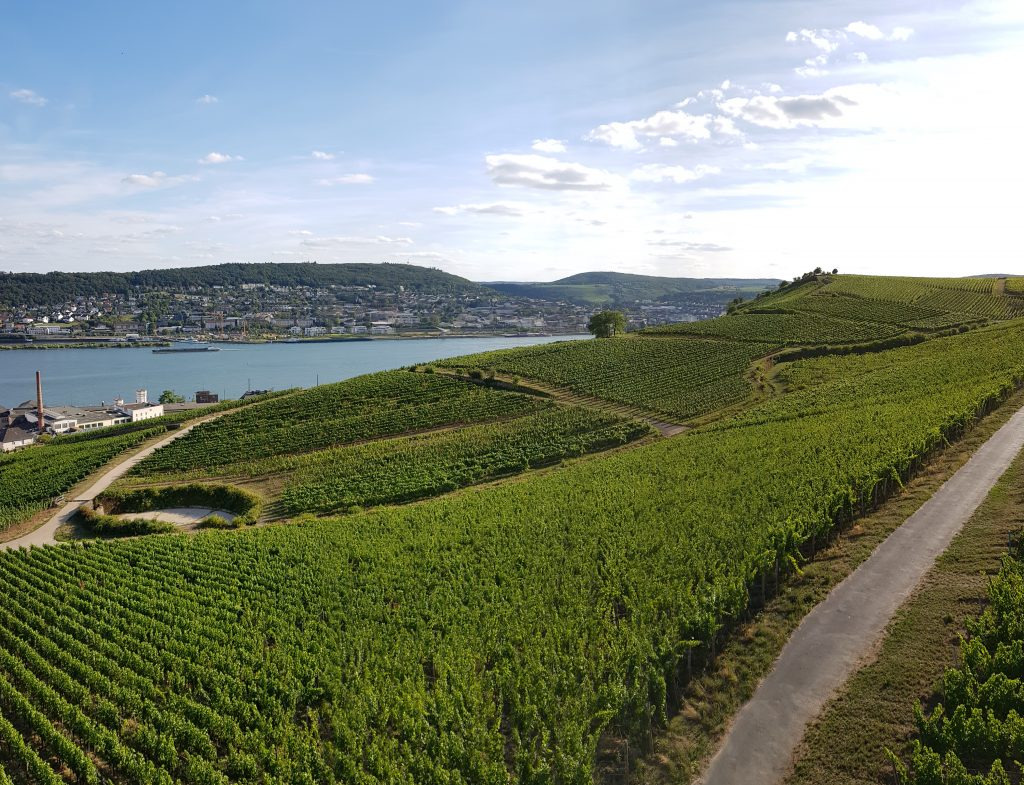
The sugar present in Liebfrauenmilch derives from the so-called Süssreserve, which is, in general, the addition of the must (unfermented grape juice), whose sugar reserve is sterilized to remove yeast and prevent fermentation, that is so that it does not turn into alcohol, and the taste remains sweet. The producing regions of Liebfrauenmilch in Germany are Rheinhessen, Rheingau, Pfalz (Palatinate) and Nahe (in the state of Rheinland-Pfalz, on the slopes of the Mosel).


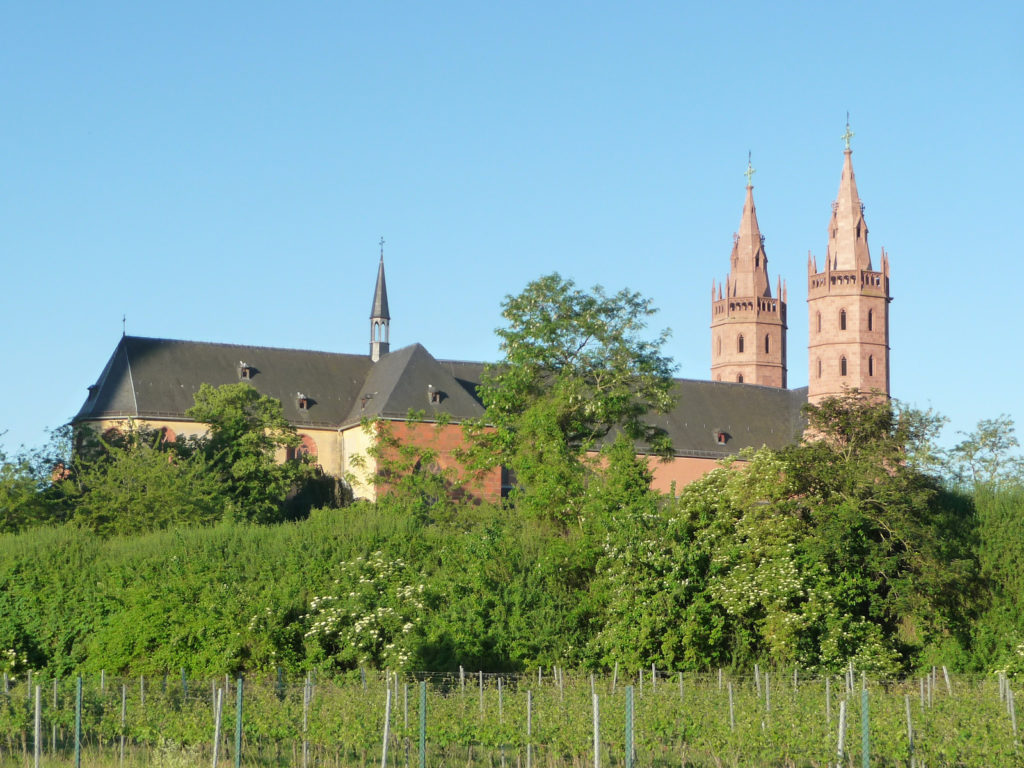
The origin of the name Liebfrauenmilch (in literal translation, “milk of the beloved woman”) comes from the Liebfrauenkirche (Church of Our Lady) in the city of Worms. In the middle of the 18th century, the first Liebfrauenmilch wines came out of the vines that grew around the church, whose flavor was different from what we know today. It is still possible to find Liebfrauenmilch from Liebfrauenkirche, under the name Wormser Liebfrauenstift-Kirchenstück.
However, Liebfrau fell into the concept of wine lovers after a while, due to the sweet taste, and even today many people wrinkle their noses when hearing the name of this wine. Gradually, it disappeared from the shelves in Brazil and today it is rarely found in the country. However, whether you like this wine or not, you cannot deny that it has marked – and still marks today – the reputation of German wines abroad.
German wines – variety and poetry
Despite the bad reputation left by Liebfrauenmilch, Germany produces other varieties that are worth the experience of discovery. The Riesling variety is undoubtedly the one that best reflects the poetry of German wines, especially from regions close to the middle valley of the Rhine. But we don’t stop there. Some names sound different, but the grapes are certainly familiar: here, Pinot Noir is called Spätburgunder, and it leaves something to be desired, as well as Pinot Gris (Grauburgunder), among others.
For those who prefer red wines and think that Germany is limited to whites, how about exploring Dornfelder? One of the most pleasant surprises for those who want something more “strong”. In sparkling wines, we have Sekt. And then there is Eiswein, the “ice wine”, a rare gift from nature, which deserved a post of his own.
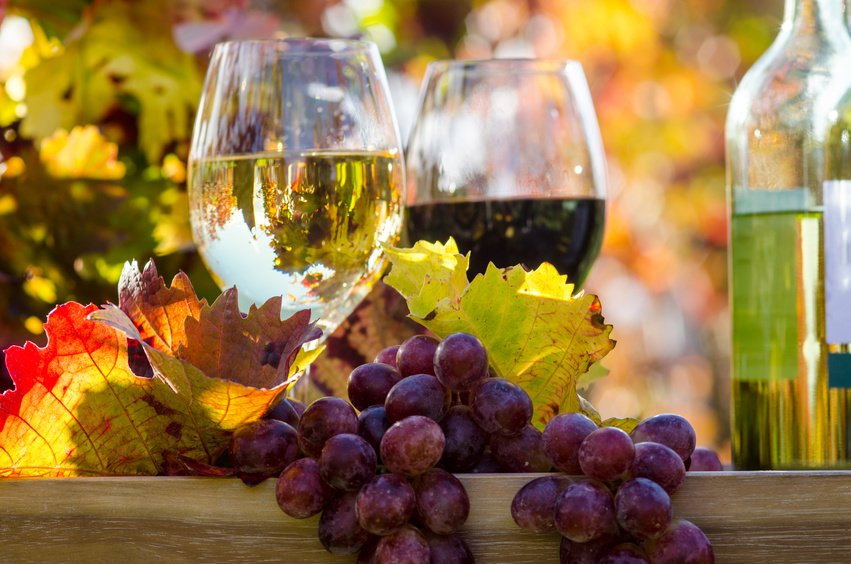
If you want to get to know the wine-producing regions in Germany, come with us on our personalized trips and experiences, whether for wine lovers, beginners, curious, or winemakers.
Our experiences range from tastings, visits to vineyards, chatting with local producers, even courses and activities focusing on the VDP label.
Traveling to Germany is also the opportunity to get to know and be amazed by wonderful wines, in the land of beer!
* 2018 data. Source: German Wine Institute https://www.deutscheweine.de/fileadmin/user_upload/Website/Service/Downloads/PDF/Statistik_2017-2018.pdf
