
A leisure trip, but also looking for roots in Germany.
In the XIX and XX centuries, there was a great migratory flow of Germans due to social problems that occurred in Europe. In this way, they were looking for a destination for a new life, and the destination chosen by about 250 thousand Germans was Brazil, mainly the south of the country. Many people are curious to know where their family’s surname comes from, or where the city or village where their German ancestors came from is located.
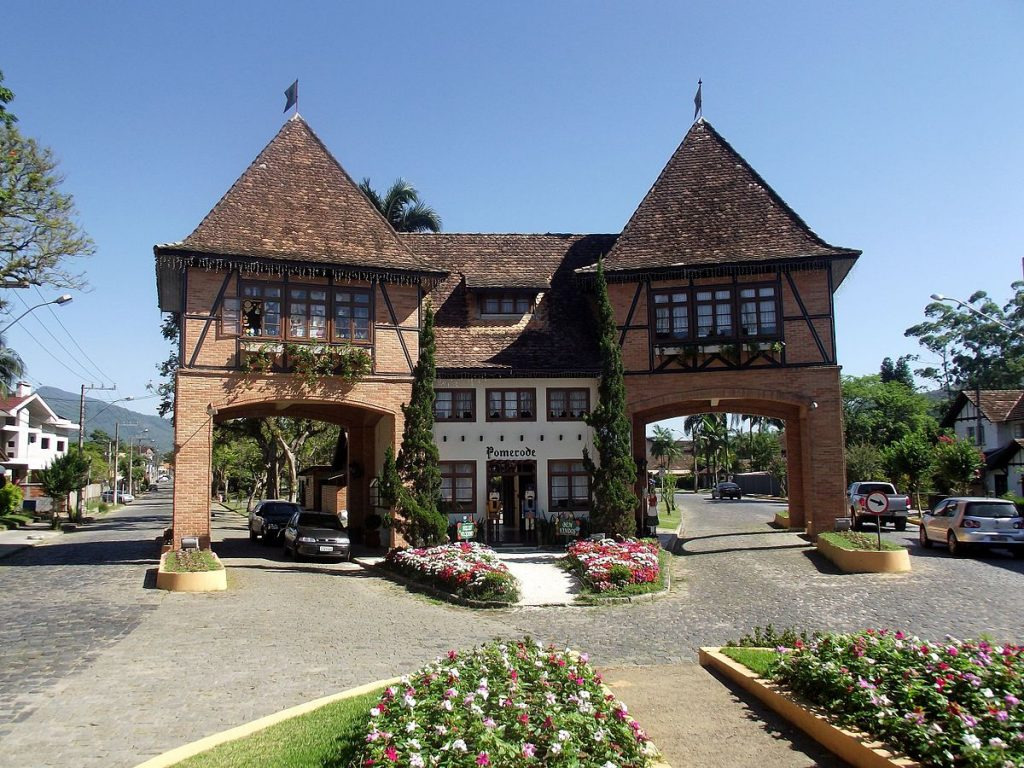
Have you thought about knowing the place from which your German ancestors came? Do you know where your surname comes from and would like to visit the place? Your trip to Germany can become even richer with the experience of visiting these places. With our personalized guides and trips, you can visit the same places your German ancestors have been to. But how is this possible? In Germany, there are many museums and regions where you can find your surname, such as:
Hunsrück region
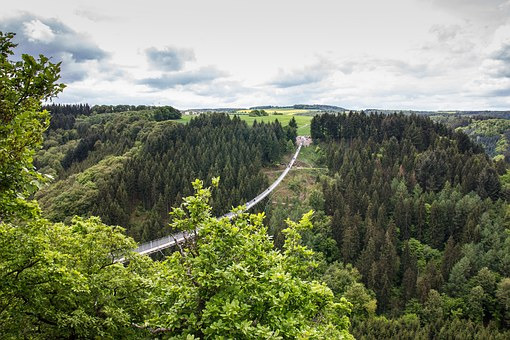
The region of Hunsrück, surrounded by the beautiful valleys of the Rhine and Mosel rivers, in the state of Rhineland-Palatinate, is a place that attracts many tourists, not only for its beauty but because Hunsrück left many German emigrants in the 19th century. Even today, variations of the Hunsriquean dialect are spoken in some communities of German descent in Brazil.
BallinStadt- Museum of Emigration- Hamburg
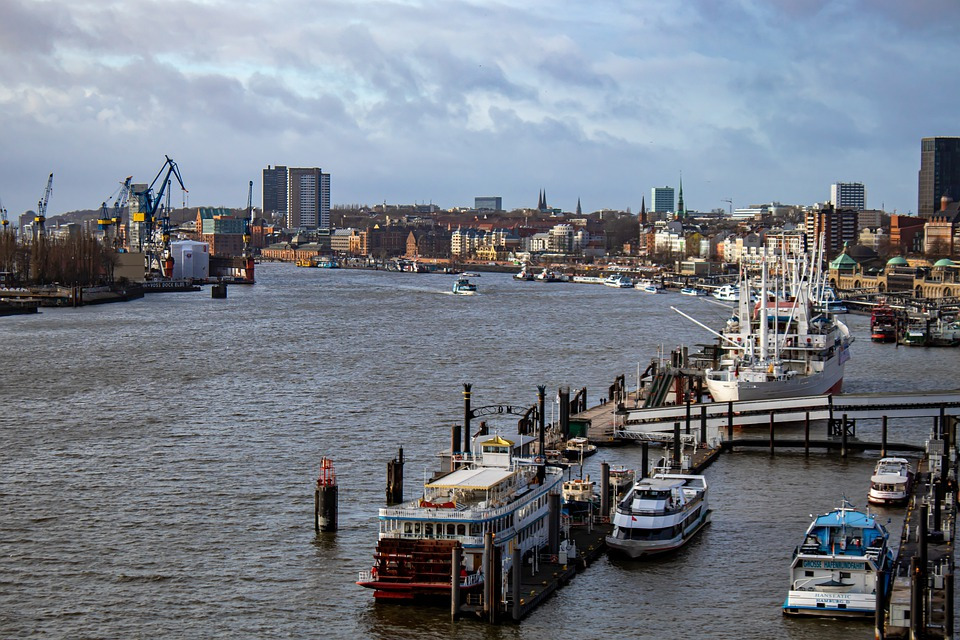
The largest guest house in the world, built-in 1901, the place offered shelter and accommodation for emigrants. The idealization of the project is due to businessman Albert Ballin, then director of HAPAG. To search for his German ancestors, BallinStadt offers access to the database with a list of passengers from 1850 to 1934.
Bremerhaven German Emigration Center – Bremen
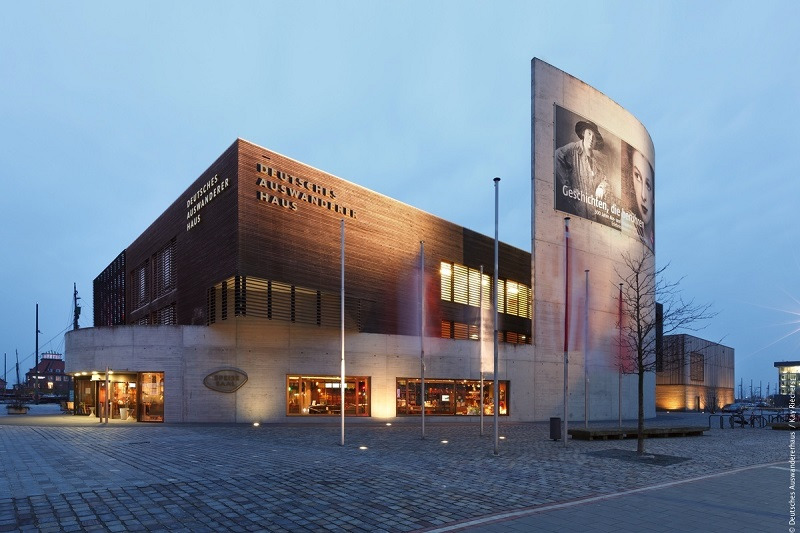
In this interactive museum, the visitor follows the same steps as an Emigrant since his departure, experiences, and arrival in the New World. In the end, the visitor has access to two international databases to search for their German ancestors.
DOMiD- Documentation center and museum on migration in Germany – Cologne
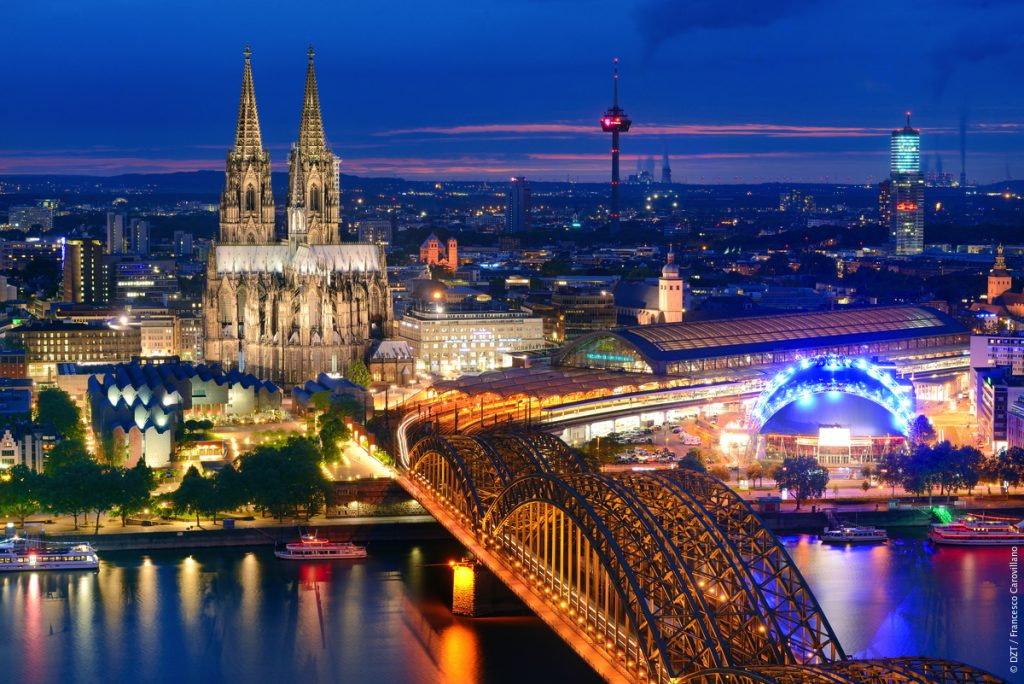
Built by immigrants in 1900, the site has the largest collection of objects and migration reports. Its documentation center is open to the public by appointment.
